Champignon mushrooms, also known as Agaricus bisporus, are a common variety of white button mushrooms. They are widely cultivated and consumed globally, due to their versatility in cooking, relatively bland flavor and availability. These mushrooms are a good source of vitamins and minerals, including Vitamin D and B vitamins. Cultivation of Champignon mushrooms involves growing the fungus in a controlled environment using various substrates such as compost or straw, and maintaining specific temperature, humidity, and light conditions. Harvesting occurs several times per week and the mushrooms can be sold fresh, canned, or dried. Champignon mushrooms can be used in a wide range of dishes, including soups, salads, sauces, and casseroles, and can also be grilled, roasted, or sautéed as a side dish. They have a meaty texture and absorb flavors well, making them a popular ingredient in vegetarian and vegan cooking. In conclusion, Champignon mushrooms are a staple ingredient in many ki...
Indonesia is a tropical country with a diverse ecosystem, which makes it a home for many species of fungi. Many of these species have not been studied and described yet. However, some studies have been conducted on certain groups of fungi, such as mushrooms, and their potential uses as a food source, medicinal purposes, and biotechnology.
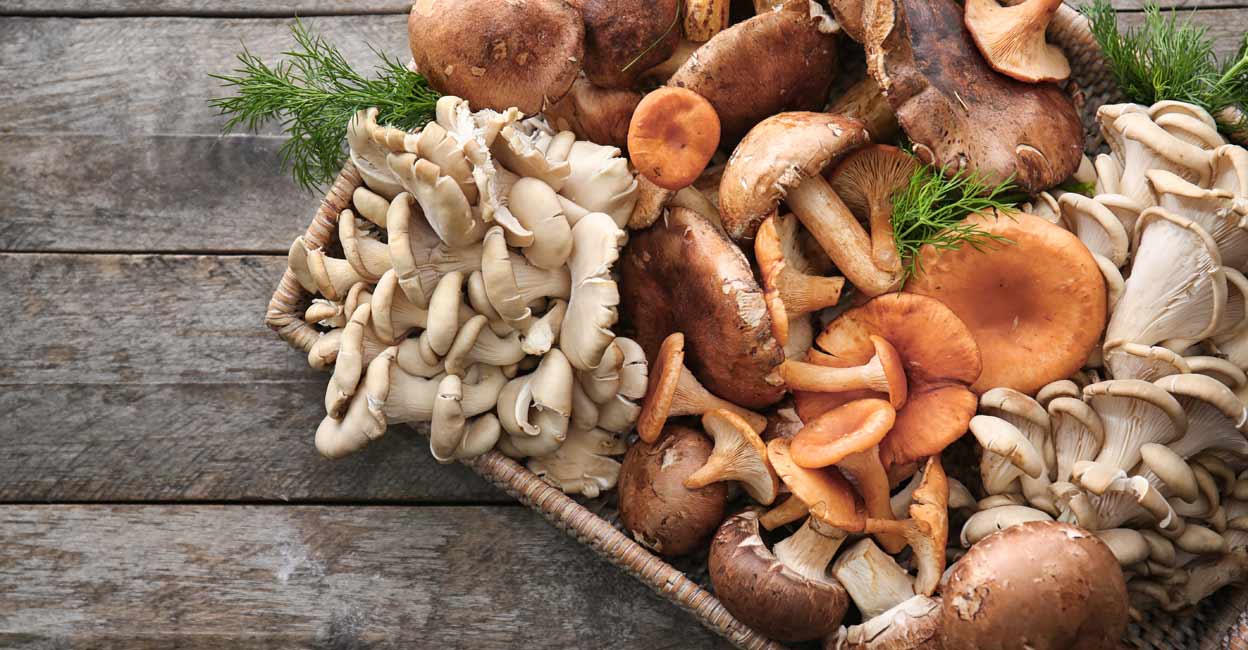
Indonesia is home to a diverse array of fungi, including both edible and medicinal species. Some commonly found edible fungi in Indonesia include shiitake mushrooms, oyster mushrooms, and straw mushrooms. These are often grown on a commercial scale and are used in many traditional Indonesian dishes.
Mushrooms are one of the most well-known groups of fungi in Indonesia and are widely consumed as a food source. Some of the most popular edible mushrooms in Indonesia include Pleurotus spp, Lentinula edodes, Agaricus spp, and Volvariella volvacea. These mushrooms are known for their high protein content, vitamins, and minerals, and are also used in traditional medicine to treat various illnesses.
In addition to being a source of food, many species of fungi in Indonesia have medicinal properties. For example, the fungus Ganoderma lucidum, also known as "lingzhi" or "reishi," is used in traditional Chinese medicine to boost the immune system and improve overall health. Another example is Cordyceps militaris, which is used to treat respiratory infections and fatigue.
Research on Indonesian fungi is ongoing, and new species and uses for fungi continue to be discovered. For more information about specific species of fungi found in Indonesia, you can consult scientific journals, such as the Journal of Fungi, or check with local mycological societies or experts in the field. Also, you can check the website of the Indonesian Mycological Society or search in scientific databases such as JSTOR, Science Direct, and PubMed for more scholarly articles about Indonesian fungi.
Comments
Post a Comment